

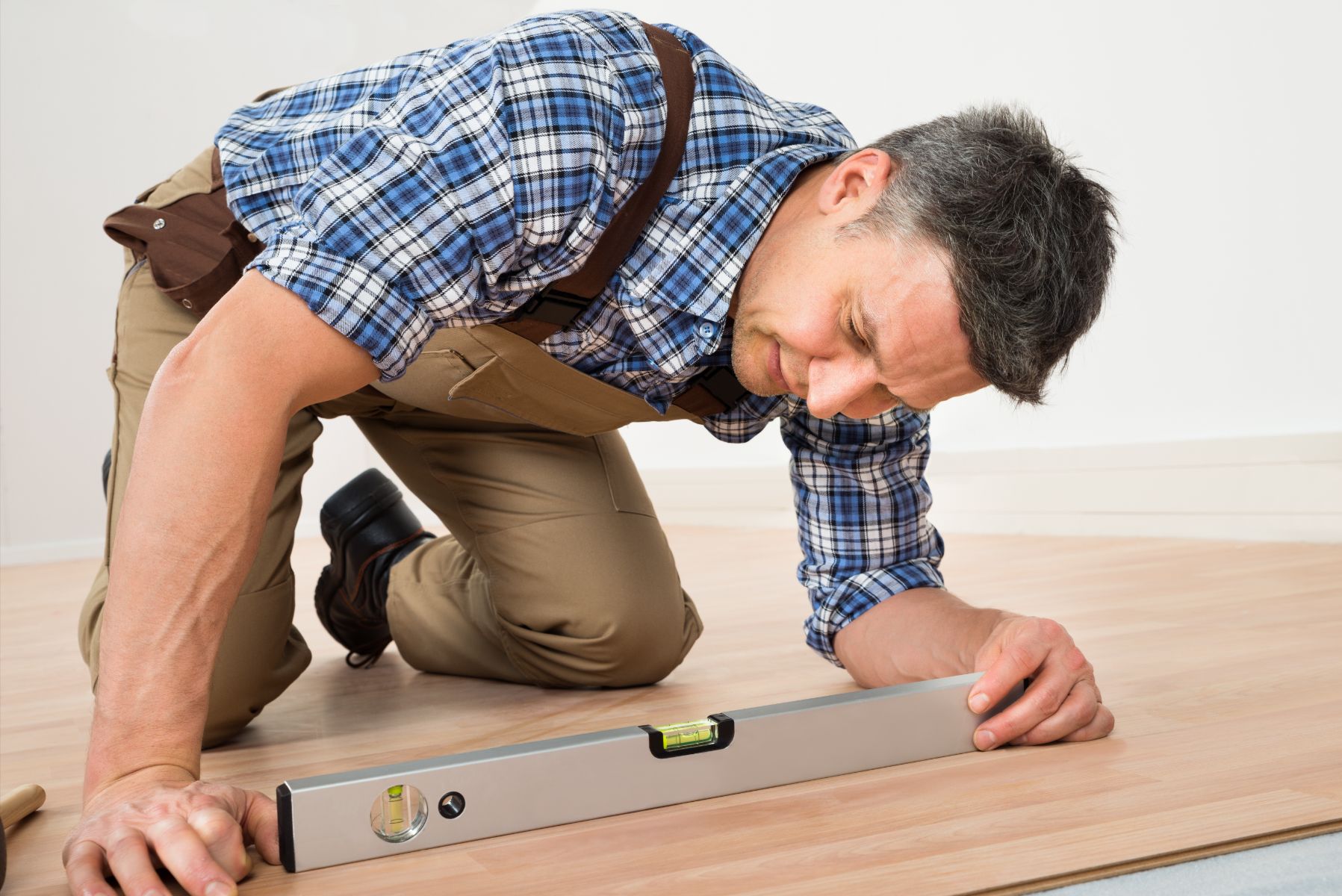
Installing new flooring is one of the fastest ways to transform a home. A new floor can make a room feel cleaner, brighter, more modern, and more comfortable almost immediately. However, before the flooring installation process begins, there is one critical step that homeowners often overlook. That step is flooring acclimation.
Many people want their flooring installed as quickly as possible, especially after finally choosing the perfect color, style, and material. Still, rushing the process can create serious problems later. Flooring that is installed too quickly may develop gaps, buckling, lifting, cracking, or uneven surfaces. These issues are expensive to repair and frustrating to live with.
At Gene's Floor Covering, homeowners throughout Pensacola, Gulf Breeze, Pace, Milton, and Crestview, FL, have trusted our flooring company since 1965 because the team understands that quality flooring installation starts with proper preparation. Taking the time to acclimate flooring materials correctly helps create better long-term results.
What does flooring acclimation mean?
Flooring acclimation is the process of allowing flooring materials to adjust to the temperature and humidity levels inside a home before installation begins.
Most flooring materials naturally react to environmental conditions. Certain products expand when moisture levels increase, while others contract when conditions become dry.
This movement is completely normal, but problems occur when flooring is installed before it has had enough time to stabilize.
Flooring products are often stored in warehouses, delivery trucks, or manufacturing facilities with very different conditions than the home where they will be installed. When the material enters a Florida home with higher humidity levels, it needs time to adapt to the environment.
Acclimation allows the flooring to settle before installation starts. This process reduces stress on the material and helps prevent movement after the floor is installed.
Why is acclimation important in Florida homes?
Florida’s climate creates unique challenges for flooring installation. Homes throughout the Gulf Coast regularly experience high humidity, heat, moisture, and changing indoor conditions caused by air conditioning systems.
These environmental changes affect flooring materials more than many homeowners realize.
For example, a hardwood floor delivered from a dry warehouse may absorb moisture quickly once it arrives in a humid Gulf Coast home. If the flooring is installed immediately, the boards may expand after installation and create pressure between planks.
Over time, this can lead to serious flooring issues, including:
Gaps between planks
Buckling or lifting
Curling edges
Cracking
Uneven flooring surfaces
Seam separation
Adhesive failure
These problems often appear weeks or months after installation, which is why acclimation should never be skipped.
Which flooring types need acclimation?
Many homeowners assume acclimation only applies to hardwood flooring, but several flooring products benefit from this process.
Hardwood flooring requires careful acclimation
Hardwood flooring is especially sensitive to moisture and humidity changes because wood is a natural material. Wood naturally expands when humidity rises and contracts when conditions become dry.
Without proper acclimation, hardwood flooring may shift significantly after installation. This movement can create visible gaps, cupping, or raised edges.
Solid hardwood flooring often requires a longer acclimation period because it is made from a single piece of wood. Engineered hardwood flooring may acclimate faster, but it still needs time to adjust to indoor conditions before installation.
Does luxury vinyl flooring need acclimation?
Yes, luxury vinyl flooring often requires acclimation as well.
Many homeowners believe luxury vinyl flooring is completely unaffected by temperature changes because it is moisture-resistant. While luxury vinyl performs extremely well in Florida homes, it can still react to environmental conditions during installation.
If luxury vinyl plank or luxury vinyl tile is installed immediately after delivery, the material may not lock together properly or may shift slightly after installation. Temperature changes can affect the flexibility and size of the planks.
Most manufacturers recommend acclimating luxury vinyl flooring for at least 24 to 48 hours before installation. Following these guidelines helps protect the floor’s appearance and performance over time.
Why should laminate flooring acclimate before installation?
Laminate flooring also benefits from acclimation because its core materials can react to moisture exposure and humidity changes.
If laminate flooring is installed before stabilizing, the planks may expand later and create pressure across the floor. This pressure can cause bubbling, lifting, or separation between boards.
Proper acclimation helps laminate flooring maintain a more consistent fit after installation.
How long should flooring acclimate?
The acclimation period depends on the flooring type, manufacturer recommendations, and indoor conditions inside the home.
In many cases:
Hardwood flooring may require 3 to 7 days
Engineered hardwood flooring may require 48 to 72 hours
Luxury vinyl flooring often requires 24 to 48 hours
Laminate flooring usually requires at least 48 hours
The flooring materials should remain inside the installation area during this process. Indoor temperatures and humidity levels should also stay consistent so the material can stabilize properly.
Professional flooring installers may open product boxes slightly to improve airflow around the flooring while acclimation takes place.
Can skipping acclimation affect flooring warranties?
Yes, skipping acclimation can absolutely affect warranty coverage.
Many flooring manufacturers include acclimation requirements directly in their installation guidelines. If flooring problems occur later and the manufacturer determines acclimation was skipped, warranty claims may be denied.
This is one reason why professional flooring installation matters so much. Experienced flooring installers understand manufacturer requirements and follow proper preparation procedures carefully.
At Gene's Floor Covering, proper preparation is part of every flooring project. The company’s commitment to excellence and high-quality service has helped Gulf Coast homeowners enjoy better flooring performance for decades.
What else matters before flooring installation?
Acclimation is important, but it is only one part of a successful flooring installation.
Professional flooring installers also evaluate several other factors before installation begins, including:
Subfloor moisture levels
Indoor humidity conditions
Room temperature
Ventilation
Expansion spacing requirements
Manufacturer installation guidelines
Every detail matters because flooring performance depends heavily on proper preparation.
Even high-quality flooring materials can fail if they are installed incorrectly or rushed through the preparation process.
Looking for experienced flooring installers in Pensacola, FL, or Gulf Breeze, FL? Contact our team!
Flooring installation involves much more than simply placing materials on the floor. A successful installation requires planning, preparation, experience, and attention to detail.
At Gene's Floor Covering, homeowners throughout the area continue to trust our team because of our knowledgeable staff, family-owned service, and dedication to long-term results.
Taking extra time for acclimation may not seem exciting, but it plays a major role in protecting your flooring investment. Proper acclimation helps floors look better, last longer, and perform the way they were designed to for years to come. From our showrooms in Pensacola, FL, and Gulf Breeze, FL, we serve Pensacola, FL, Gulf Breeze, FL, Pace, FL, Milton, FL, and Crestview, FL.


